Green cardamom price in 2026 tracks one variable above everything else: pod size and grade, not the brand printed on the packet. Extra Bold pods (8mm and above) sit at the top of the price ladder, broken or mixed-grade cardamom sits at the bottom, and every seller's "premium" claim should be checked against where their stock actually falls on that ladder.
- Green cardamom price in 2026 is set by pod size and AGMARK grade, not by brand name on the label.
- Extra Bold pods (8mm+) sit at the top price tier; mixed or broken-grade cardamom sits at the bottom.
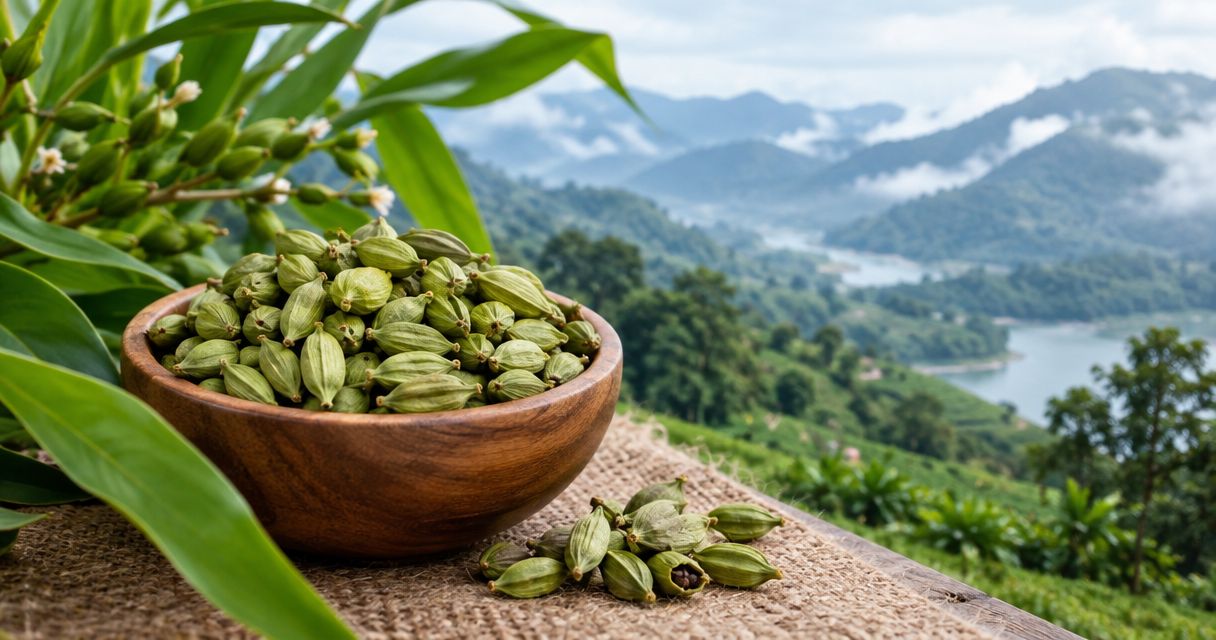
- Muzri sells single-origin Kerala cardamom identified by named grade, not blended into unlabeled lots.
- Cafes and hotels buying in bulk should ask for pod size in millimetres before comparing any two sellers.
Why this matters
Most green cardamom shoppers compare price per gram without knowing what they're actually comparing. A pack of Standard grade at one price and a pack of Extra Bold at a higher price aren't competing products — they're different tiers of the same crop, sorted by pod length under the AGMARK grading system that the Indian spice trade has used for decades.
Buyers who skip this step end up either overpaying for grade they don't need (grinding cardamom for masala doesn't require 8mm pods) or underpaying for a "premium" label attached to unsorted stock. Muzri sources single-origin Kerala cardamom by named grade for exactly this reason — so the price you see maps to a pod size you can check, not a marketing word.
The rest of this page lays out where each grade sits, why the top and bottom of the range look the way they do, and what to check before you order — whether that's a 100-gram retail pack or a monthly bulk order for a café kitchen.
Green cardamom price by grade: the benchmark table
The table below uses the AGMARK size-based classification for green cardamom — the standard the Spices Board of India applies to domestic and export lots. Pod size in millimetres is the sorting variable; everything else about quality follows from it.
| Grade (AGMARK classification) | Pod size | Typical characteristics | Price position |
|---|---|---|---|
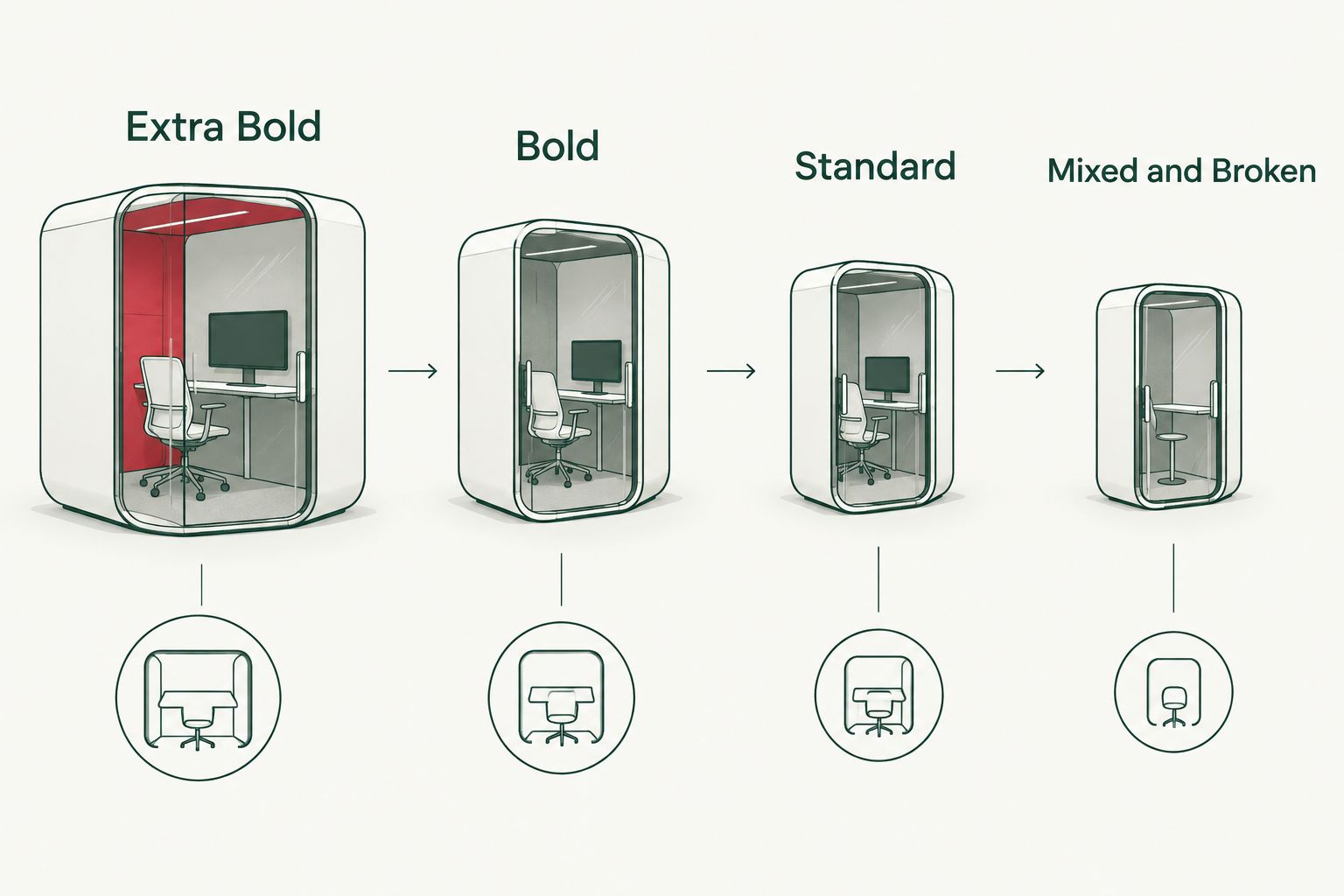
| Extra Bold (AGEB) | 8mm and above | Large, plump, whole pods; deep green color retained through sun-drying; strongest aroma of the four tiers | Premium — top of the range |
| Bold (AGB) | 7-8mm | Slightly smaller whole pods, still uniform, good aroma retention | Upper-mid |
| Standard / Superior (AGS) | 6-7mm | Smaller, more uniform pods; the most common size in retail packs | Mid-range |
| Mixed / Broken | Below 6mm, or split pods | Mixed sizes, some split or empty pods, weaker aroma; common in loose bulk lots and unlabeled blends | Budget — bottom of the range |
| Market blend (all grades combined) | Varies within a lot | What most unlabeled "premium" packs actually contain when no grade is stated | Baseline yardstick |
Extra Bold leads the price ladder because pod size correlates directly with oil content and visible quality — a buyer can see the difference without opening a lab report. Mixed and Broken grade trails because split pods lose essential oil faster in storage and can't be reliably graded by eye at the point of sale, which is exactly why it's the tier most often hidden inside an unlabeled "premium cardamom" bag.
Methodology and what this table doesn't tell you
The size bands above follow the AGMARK grading standard maintained by the Directorate of Marketing and Inspection and used by the Spices Board of India to classify green cardamom for domestic and export trade, based on measured pod length. This table sorts grades by size and describes where each tier typically lands on price relative to the others.
One limitation worth naming directly: this grading measures pod size and appearance, not the exact rupee figure any single seller charges in a given month. Season, harvest quality, and how a seller sources their stock all move the actual number within each grade band — which is why the table above shows price position, not a fixed rate. Check the current listing on Muzri or any seller's site for today's rate on a specific grade.
How to check the grade before you buy
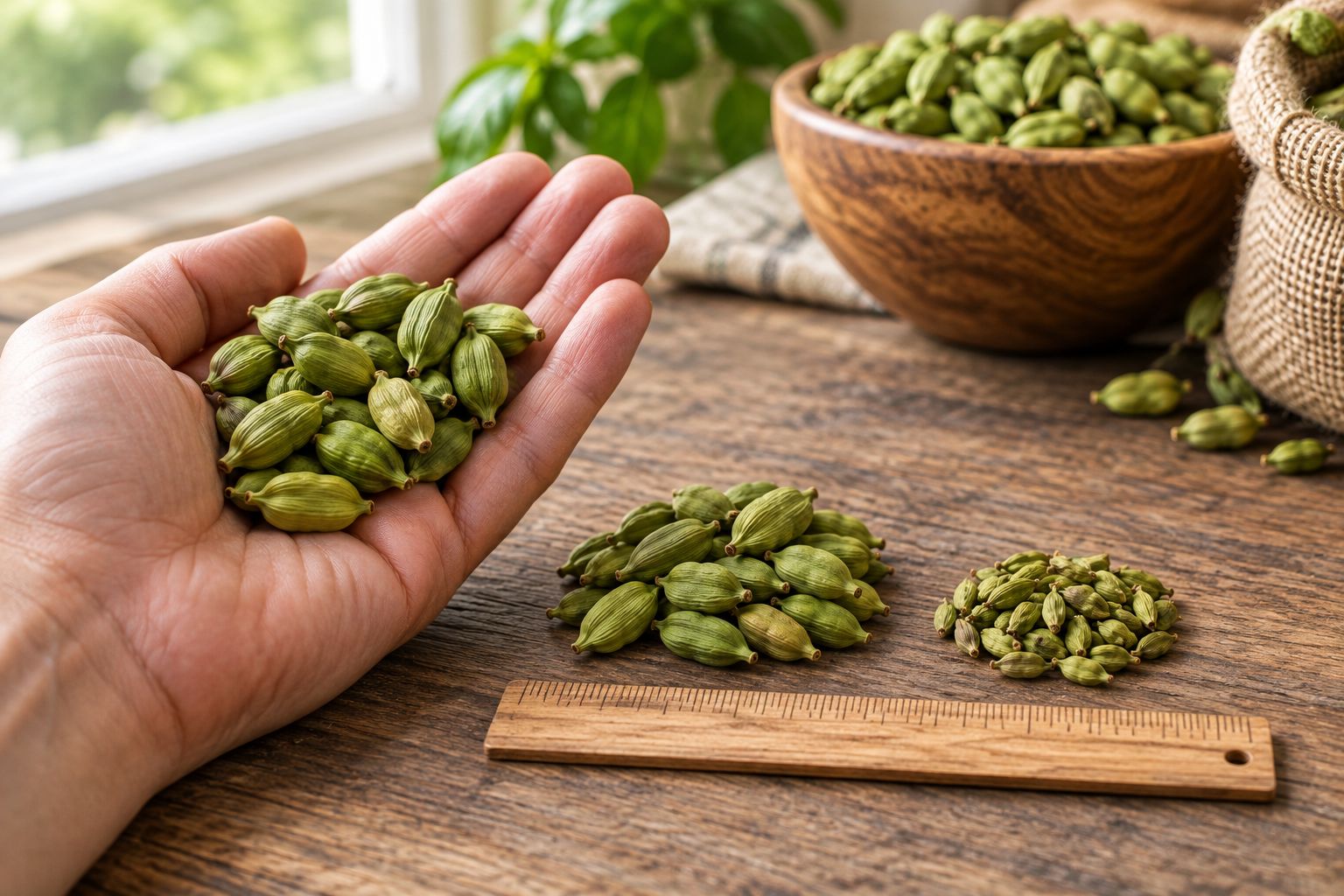
A grade claim on a label is only useful if you can verify it. Three checks take under a minute:
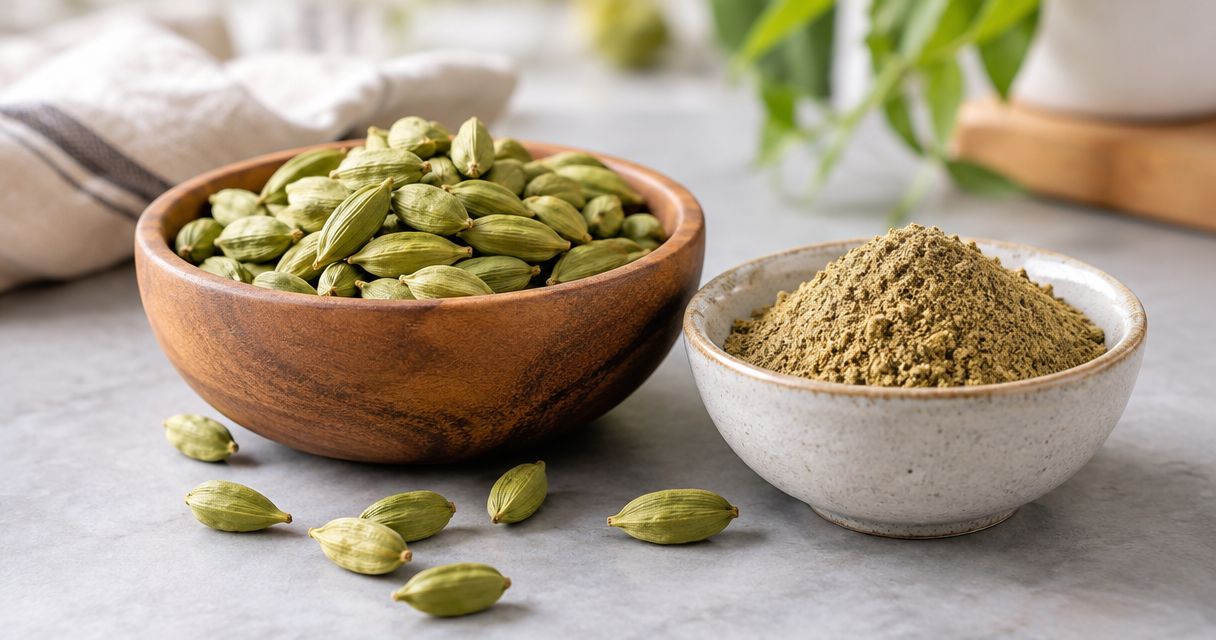
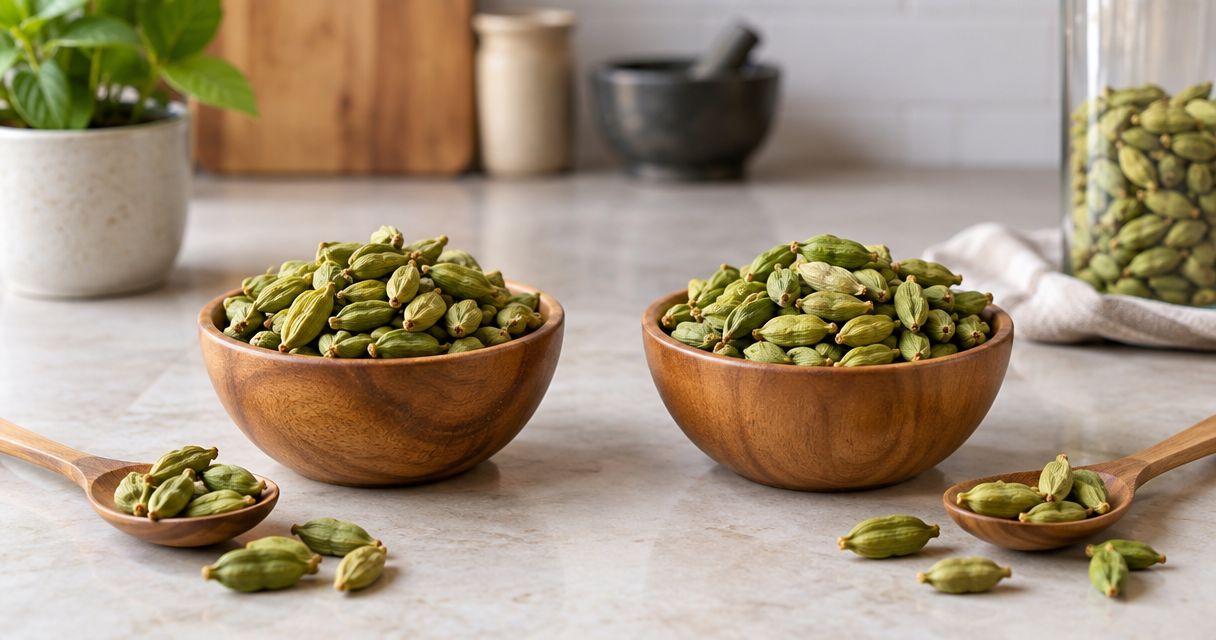
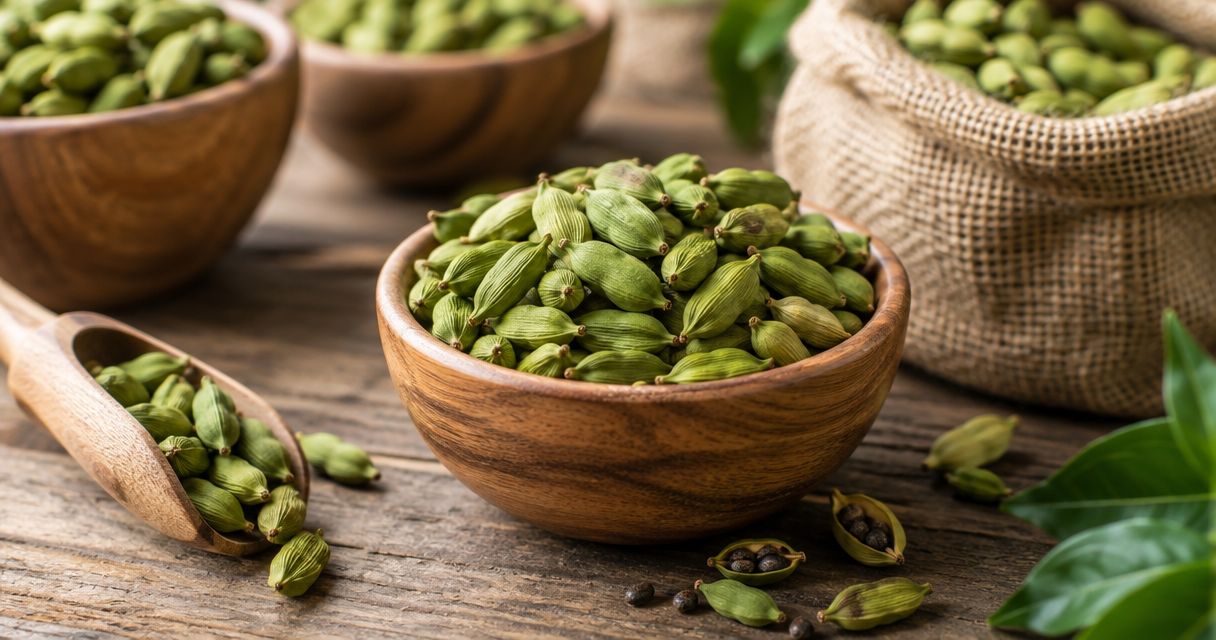
- Pod size — measure a handful against a ruler; 8mm+ pods are visibly plump, not just "large-sounding" on the label.
- Color and skin — Extra Bold and Bold pods hold a deeper green through sun-drying; bleached or dull-green pods usually sit in a lower tier.
- Split ratio — tip out a small sample; more than a few split or empty pods in a "premium" pack signals Mixed/Broken stock repackaged under a higher-tier name.
How to use these benchmarks
- Ask for pod size in mm before comparing any two sellers. "Premium" without a stated grade tells you nothing about where the price should sit in 2026.
- Match grade to use case, not prestige. Grinding cardamom for powder or masala doesn't need 8mm pods — Standard grade does the same job for less.
- For café and hotel volume orders, request a sample from the exact lot, not a category average; grade can vary batch to batch even under one label. Muzri's cardamom buying guide for cafés covers what to ask a supplier before committing to a bulk order.
- Compare sellers on grade and origin first, price second. A rundown of how brands stack up on organic certification, sourcing, and grade transparency is in Muzri's comparison of organic cardamom brands in India.
Check today's grade-wise pricing
See current listings for Extra Bold, Bold and Standard grade cardamom.
FAQ
What is the price of green cardamom in 2026?
Green cardamom price in 2026 tracks pod size and AGMARK grade: Extra Bold (8mm+) sits at the top price tier, Standard (6-7mm) in the middle, and Mixed/Broken grade at the bottom. Check a seller's current listing for the exact rate on a specific grade.
Is 8mm cardamom better than 7mm cardamom?
8mm+ (Extra Bold) pods generally hold more aroma and oil than 7-8mm (Bold) pods, which is why they sit at a higher price tier. For grinding into powder rather than whole-pod use, the difference matters less.
What affects green cardamom price the most?
Pod size and AGMARK grade drive price more than any other factor, followed by season, harvest quality, and whether the stock is single-origin or a mixed blend.
Is bold cardamom more expensive than standard grade?
Yes. Bold (7-8mm) pods sit above Standard (6-7mm) pods on the price ladder because of their larger size and stronger aroma retention.
How can I tell high-grade cardamom from low-grade cardamom?
Measure pod length against a ruler, check color depth, and count split or empty pods in a sample. Extra Bold and Bold pods are visibly plump and deep green; Mixed/Broken grade shows split pods and duller color.
Does organic certification change cardamom price?
Certification and grade are separate claims. A pack can be certified organic at any grade tier, so check pod size separately from the organic label to know what tier you're actually paying for.
What's the best cardamom grade for cafes buying in bulk?
Cafes and hotels buying whole pods for garnish or tea typically want Bold or Extra Bold for visual and aroma consistency; kitchens grinding cardamom into masala can use Standard grade without a quality drop.
How do I check the current cardamom price before buying?
Look for the stated grade or pod size on the listing itself, not just words like "premium" or "select." Prices move with season, so check the live listing rather than relying on a number from an older source.
One last thing
If you're grinding cardamom rather than using whole pods — for masala, chai, or baking — you're paying for a size grade your recipe never sees. Standard grade (6-7mm) grinds down to the same result as Extra Bold at a lower price position on the ladder; save the 8mm+ pods for dishes where the whole pod shows, like biryani garnish or slow-brewed tea. Buy Extra Bold or Bold when appearance and aroma retention matter visibly; buy Standard when the grinder is the final step anyway.