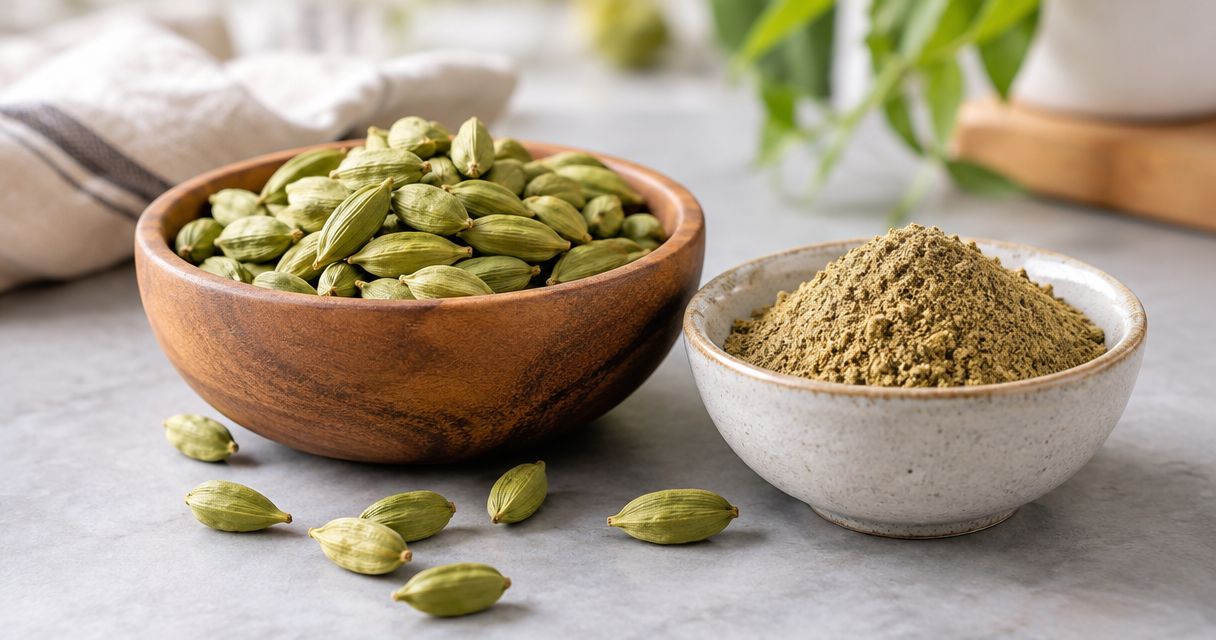
Muzri and Everest both sell green cardamom to Indian kitchens, but they're built for different buyers. Choose Muzri if you want single-origin Kerala cardamom with traceable farm sourcing for home cooking or café/hotel bulk orders. Choose Everest if you want a familiar masala brand you can grab at any grocery store today. The gap between muzri vs everest cardamom isn't about which pod smells stronger on a shelf test — it's about sourcing model, distribution, and what each brand is actually optimized to sell.
- Muzri sells single-origin, organic-claimed green cardamom sourced from Kerala farms, sold direct online and in café/hotel bulk quantities.
- Everest is a mass-market masala brand distributed through grocery retail across India, not a single-origin cardamom specialist.
- Muzri wins on origin traceability and café bulk buying; Everest wins on shelf availability and brand recognition.
- Neither brand's retail pack always states pod grade the way a specialist spice guide would — check the label before you buy.
Why This Matters
Cardamom quality varies a lot by pod size, moisture content, and how long it sat in a warehouse before reaching your kitchen. A blend sourced from multiple regions can still taste fine, but you lose the ability to trace where it grew or how fresh it is. Muzri sells cardamom, black pepper, and turmeric as single-origin Kerala products aimed at home cooks and food-service buyers who care about that traceability. Everest built its business on packaged masala blends sold through thousands of retail outlets — cardamom is one line inside a much larger FMCG catalog. That difference in business model shapes almost every comparison below, in 2026 as much as it did five years ago.
At a Glance
| Dimension | Muzri | Everest |
|---|---|---|
| Best for | Home cooks and cafés wanting traceable Kerala cardamom | Everyday cooking with a brand already on every shelf |
| Sourcing | Single-origin Kerala farms | Multi-region, blended FMCG supply |
| Product focus | Whole spices: cardamom, pepper, turmeric | Blended masalas plus packaged whole spices |
| Certification claims | Organic and single-origin claims stated on the brand's own listings | No public single-origin or organic claim specific to its cardamom line |
| Bulk/café ordering | Direct online plus café/hotel bulk enquiry | Retail and wholesale distributor network |
| Distribution | Direct-to-consumer online, ships across India | Grocery stores, supermarkets, and online marketplaces nationwide |
| Pricing model | Direct online pricing per pack or bulk quote | Retail MRP set for mass distribution |
| Standout feature | Farm-to-pack traceability | Nationwide shelf availability |
Muzri Wins on Origin Traceability
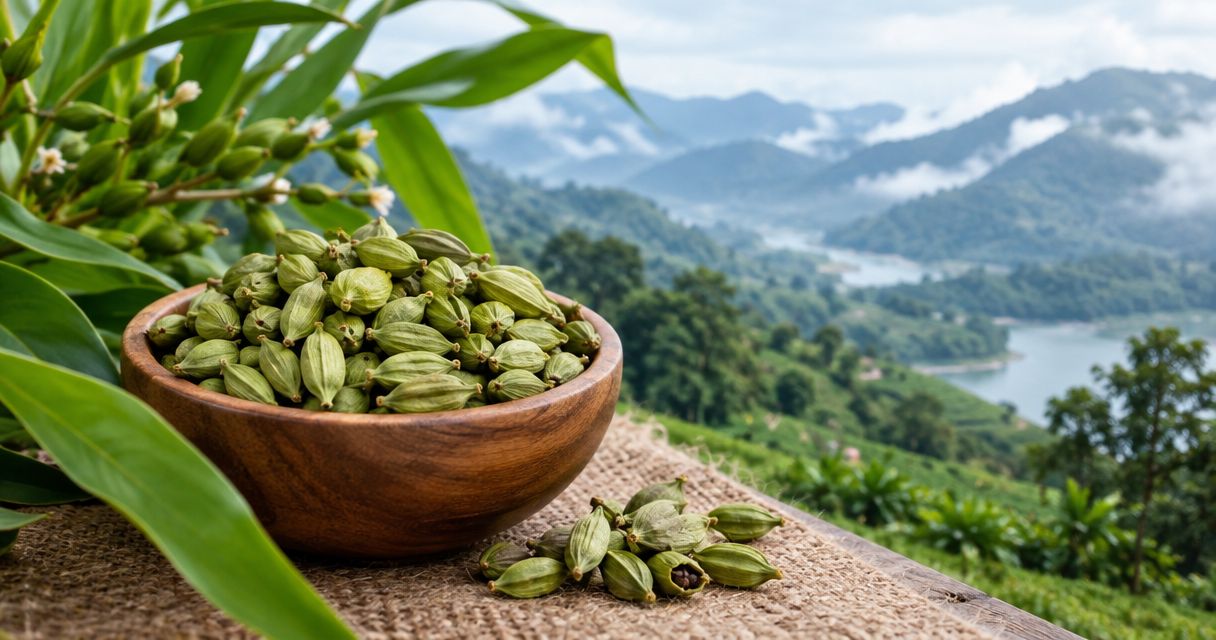
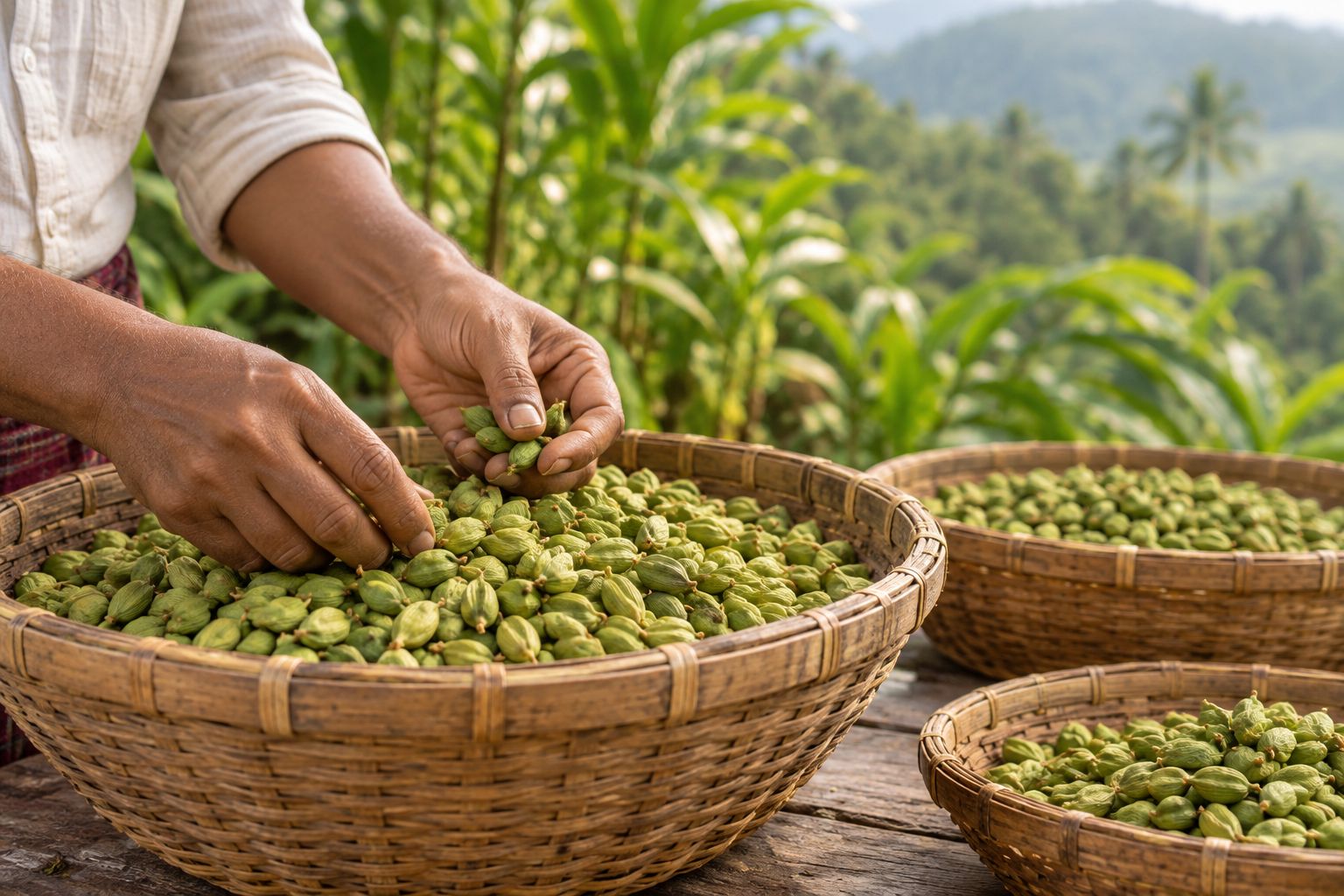
Muzri's cardamom is sold as single-origin Kerala stock, meaning it comes from a known growing region rather than a blend pooled from multiple states or countries. That matters if you're trying to standardize a recipe or a menu item where pod-to-pod consistency affects the final dish. Everest, as a large packaged-masala brand, sources its cardamom through a wider, multi-region supply chain typical of national FMCG spice companies — good for consistent retail volume, but it doesn't market single-origin traceability as a feature.
Everest Wins on Shelf Availability (By a Lot)
If you need cardamom in the next 20 minutes, Everest wins outright. It's stocked in supermarkets, kirana stores, and online marketplaces across most Indian cities, backed by decades of retail distribution as a household masala brand. Muzri operates as a direct-to-consumer online seller, which means better sourcing control but a delivery window instead of a walk-in purchase. If same-day, walk-in availability is your priority, Everest is the better convenience option, and it's not close.
Muzri Publishes Origin and Sourcing Details; Everest's Pack Doesn't
Muzri's product listings and guides document where the cardamom comes from and how it's processed — information a specialist single-origin seller typically leads with. Everest's retail packaging, like most mass-market masala packs, states net weight and use-by date rather than pod origin or grade. That's standard practice for a national FMCG brand selling volume through thousands of outlets, not a criticism of the product itself — just a difference in what each brand chooses to disclose on the pack.
Both Ship Nationally, Through Different Channels (Tie)
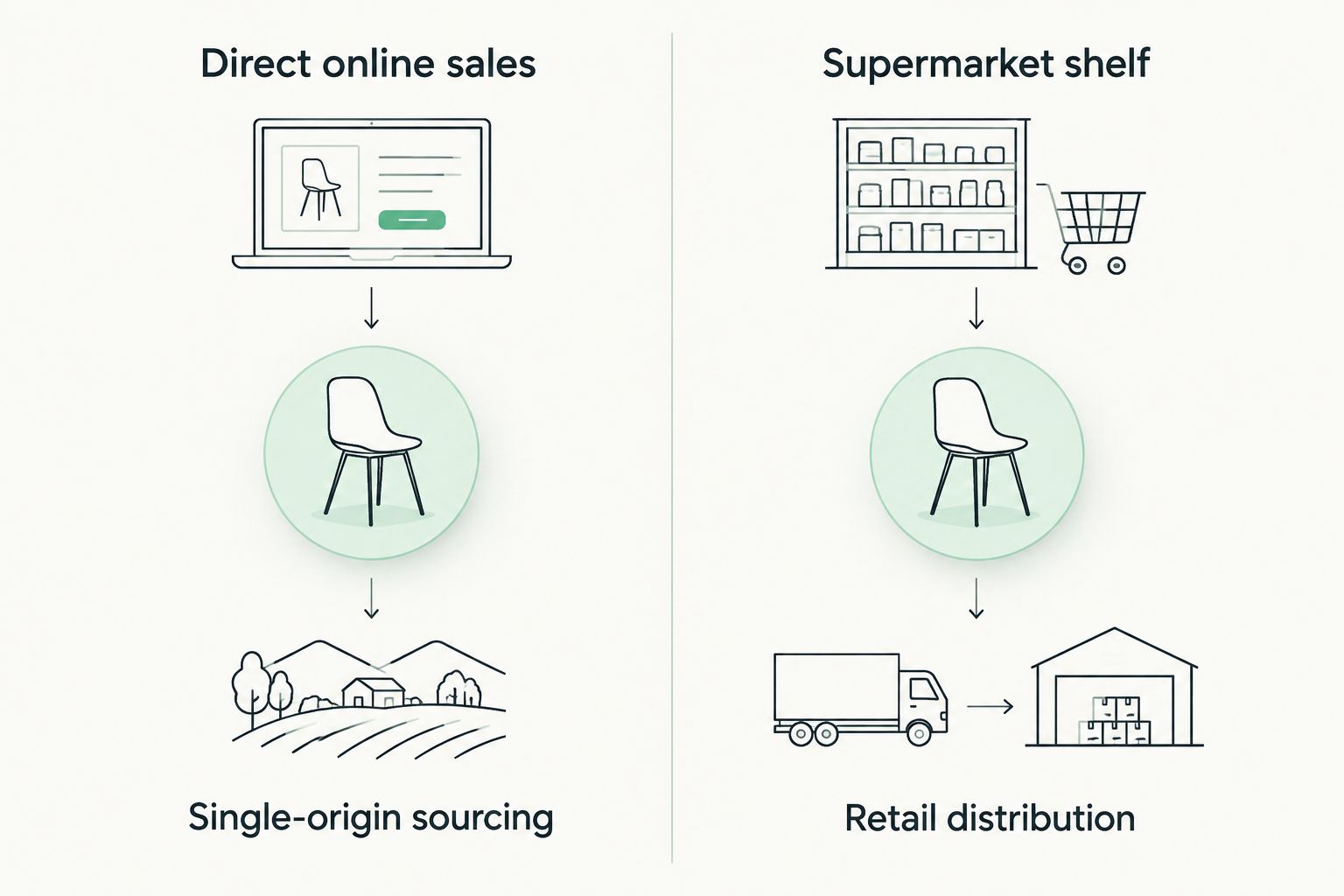
Muzri ships direct-to-consumer across India from its online store. Everest reaches the same geography through supermarkets, kirana stores, and online marketplaces. Neither brand has a national-reach problem in 2026 — the difference is whether you're buying from a shelf or from a website, not whether the product can reach you.
Muzri Wins for Café and Hotel Bulk Buying
Cafés and hotels ordering cardamom in bulk need consistent grade and a supplier who understands food-service quantities, not just retail packs. Muzri's green cardamom buying guide for cafés is built specifically around that use case — bulk quantities, single-origin sourcing, and direct enquiry. Everest's bulk supply generally runs through standard FMCG wholesale and distributor channels rather than a dedicated café-facing buying process, which works fine for volume but offers less of the sourcing-level detail a chef might want.
“If a cardamom pack doesn't say where the pods were grown, you're buying a blend, not a single origin.”
Everest Wins on Brand Recognition for Everyday Cooking
Everest has built decades of recall as a household masala name in India. For a home cook who just wants a reliable pack of cardamom for daily cooking without researching sourcing, that recognition carries real weight — it's the brand already sitting in most Indian kitchen cabinets. Muzri is a newer, narrower single-origin spice brand; it hasn't built that same decades-long household presence yet, even though its sourcing focus is different by design.
Certification: Muzri States Organic and Single-Origin Claims; Everest Doesn't Publish Cardamom-Specific Claims
Muzri's own listings state organic and single-origin sourcing for its cardamom. Everest doesn't publish a public organic or single-origin claim specific to its cardamom line — it markets on scale and recognition, not certification detail. If certification and sourcing disclosure matter to your buying decision, Muzri gives you more to verify.
Pricing: Direct-to-Consumer vs Retail MRP
Muzri prices through its own online store, with bulk quantities handled via direct enquiry for cafés and hotels — a model that trades retail convenience for sourcing transparency and the ability to order exactly the quantity you need. Everest prices at retail MRP through grocery and supermarket channels, which means predictable shelf pricing but less flexibility for bulk food-service quantities outside standard wholesale distribution. Neither model is wrong; they're built for different buying patterns, and current pricing for either brand is best checked directly on the respective store or retail listing rather than assumed from an older figure.
Order single-origin Kerala cardamom
Browse Muzri's organic cardamom, pepper, and turmeric online.
Final Verdict
Choose Muzri if you're a home cook or a café/hotel buyer who wants traceable, single-origin Kerala cardamom and is comfortable ordering online or sending a bulk enquiry. Choose Everest if you're an everyday cook who wants a recognized masala brand available at the nearest supermarket without researching sourcing.
One-Glance Scorecard
| Dimension | Winner |
|---|---|
| Origin traceability | Muzri |
| Shelf availability | Everest |
| Sourcing/origin disclosure | Muzri |
| National reach | Tie |
| Café/hotel bulk buying | Muzri |
| Brand recognition | Everest |
| Certification claims | Muzri |
FAQ
Is Muzri better than Everest for cardamom?
Muzri is better for single-origin Kerala sourcing and café/hotel bulk buying in 2026. Everest is better for same-day supermarket availability and everyday household cooking.
Does Everest sell single-origin cardamom?
Everest doesn't publish a single-origin claim for its cardamom line. It sources through a multi-region FMCG supply chain typical of large packaged-masala brands.
Where does Muzri source its cardamom from?
Muzri sources its green cardamom from Kerala farms and markets it as single-origin, organic-claimed stock rather than a blend.
Can I order cardamom in bulk for a café or hotel?
Yes. Muzri handles café and hotel bulk orders through a direct enquiry process built around food-service quantities. Everest's bulk supply typically runs through standard wholesale distributors.
Which brand is easier to find in stores in 2026?
Everest is easier to find in physical stores because it's distributed through supermarkets and kirana stores nationwide. Muzri sells primarily direct-to-consumer online.
Is Everest cardamom organic?
There's no public organic certification claim specific to Everest's cardamom line. Muzri states organic and single-origin claims on its own product listings.
What's the main difference between Muzri and Everest cardamom?
Muzri is a single-origin Kerala spice specialist selling direct online. Everest is a national FMCG masala brand distributed through retail stores.
Does pod size matter when comparing cardamom brands?
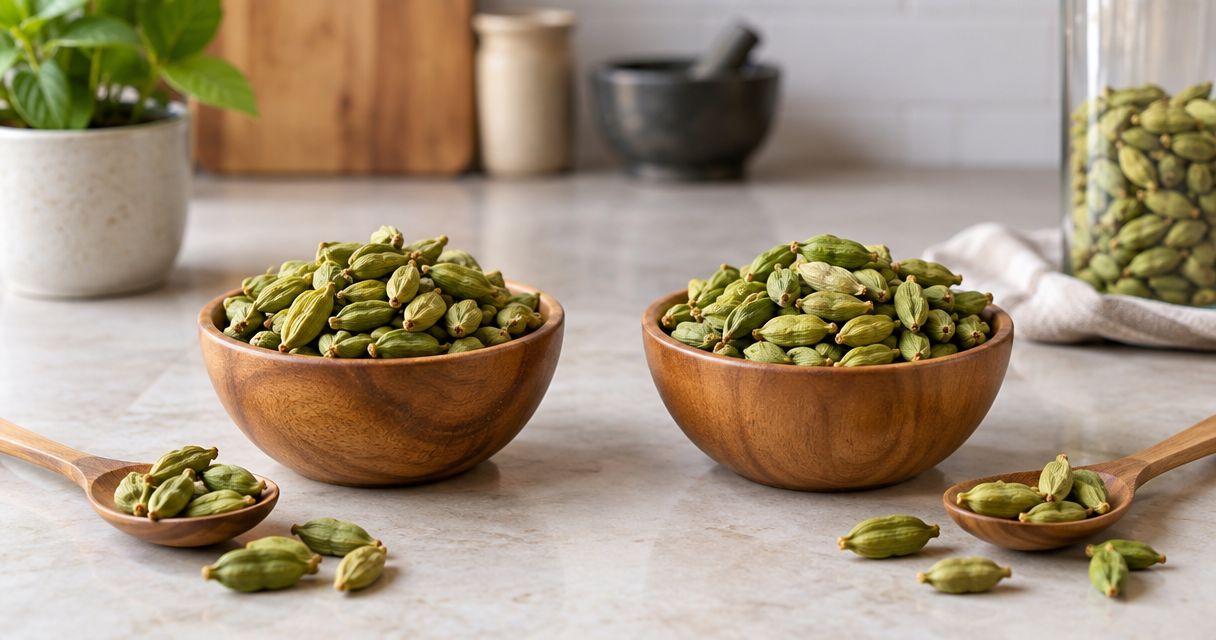
Yes. Larger, well-filled pods generally carry more oil and aroma than small or shriveled ones, which is why specialist sellers document pod size while mass-market packs often don't.
One Last Thing
Kerala's Idukki region holds a Geographical Indication tag for its cardamom, one of the few spice-growing areas in India with that recognition. That GI status exists specifically because cardamom quality and character are tied to where it's grown — which is the exact distinction that separates a single-origin seller like Muzri from a blended, multi-region FMCG brand like Everest. If sourcing detail matters to your cooking or your menu, that's the line to check before you buy, in 2026 or any year after.