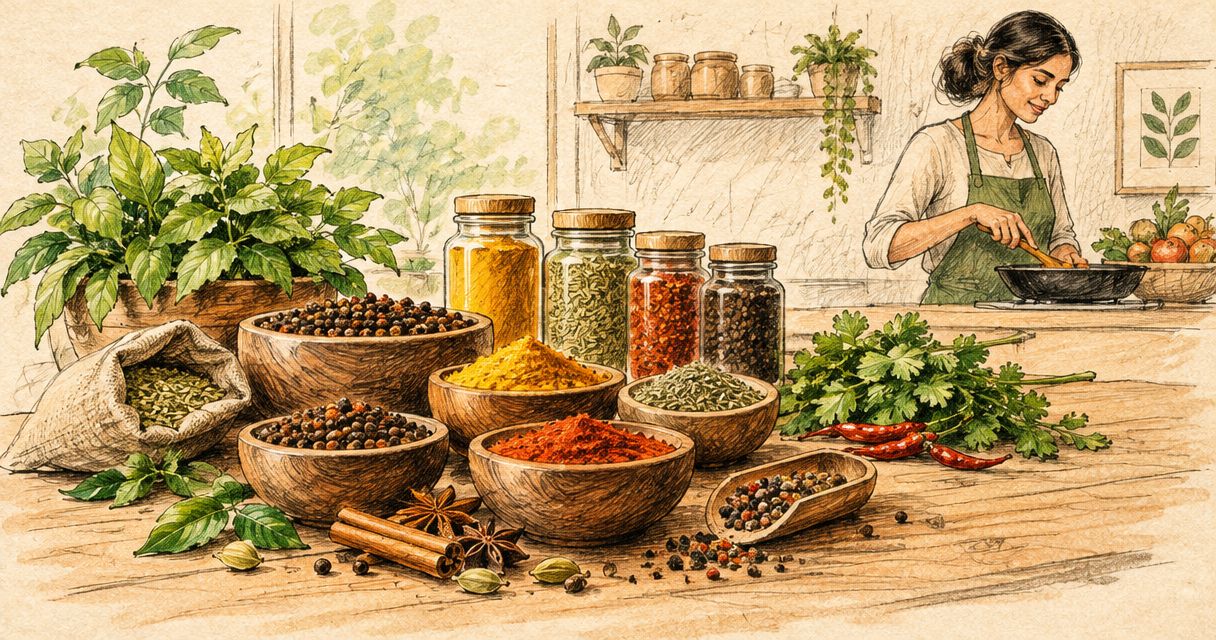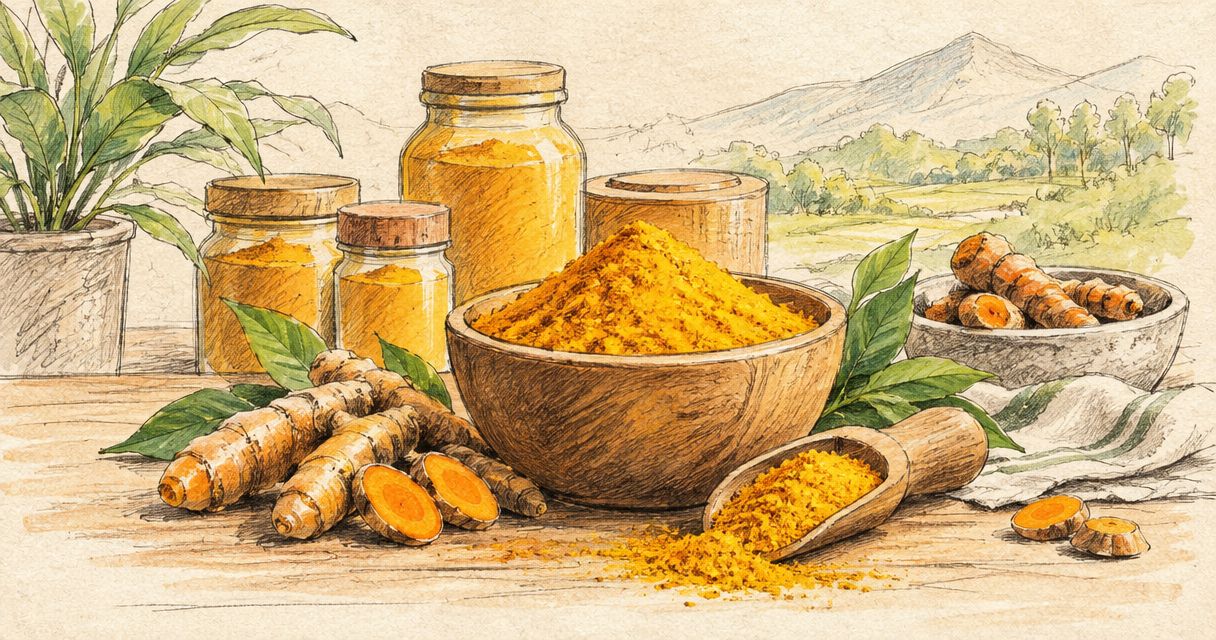
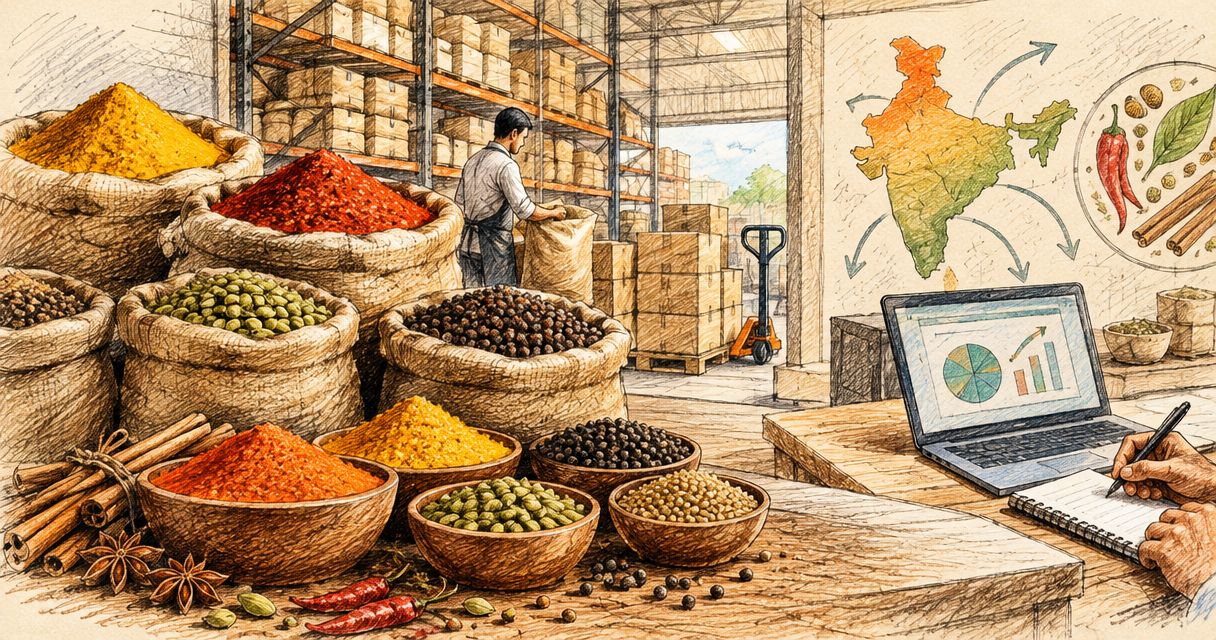
Best overall for café and hotel bulk orders: Muzri, for single-origin Kerala cardamom, pepper and turmeric sold direct from source. Best for large-volume blended masala: Everest. Best for national, vendor-vetted institutional supply: Tata Sampann. Best for the widest masala blend range at retail scale: MDH. Best for boutique single-origin Wayanad sourcing: Wayanadcraft. Five spice brands, five different bulk-buying jobs in 2026.
- Muzri wins for spice brands bulk wholesale india buyers who need single-origin Kerala cardamom, pepper or turmeric, not blended masala.
- Everest and MDH suit kitchens that need standardized masala blends at volume rather than a specific pod grade.
- Tata Sampann fits multi-location hotel groups that need one large, vendor-vetted supply chain.
- Wayanadcraft is the closest match to Muzri on single-origin Wayanad sourcing, at smaller order scale.
- Cardamom graded 8 mm and above, called bold, is an industry standard worth checking on any brand's invoice.
Why this matters
Bulk and wholesale spice buying in India in 2026 isn't the same decision as picking a masala jar off a supermarket shelf. Cafés, hotels and chefs buy in kilos, not grams, and an inconsistent or diluted batch shows up in every dish for weeks. Kerala has grown cardamom and black pepper for over 3,000 years, and the region still supplies most of India's premium whole spice, but "Kerala-grown" on a label doesn't guarantee single-farm traceability.
Muzri sells single-origin, organic Kerala cardamom, pepper and turmeric direct to home cooks and to cafés, hotels and chefs buying in volume - the same category the other four brands in this list compete in, from mass-market masala blends to boutique single-origin sellers. Picking the wrong one for your kitchen means paying either for unnecessary blend variety or for boutique positioning you don't need.
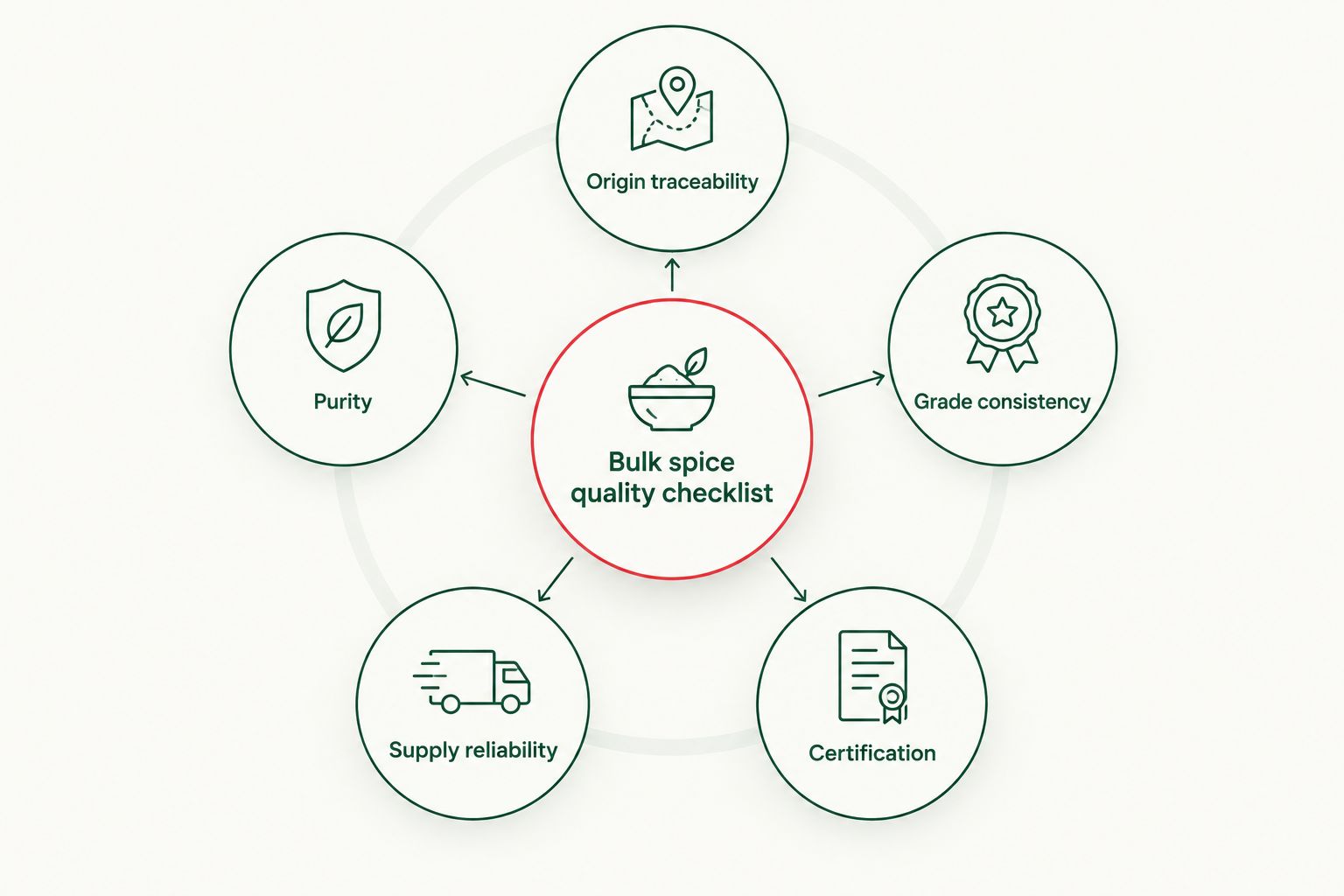
What makes the best spice brand for bulk buying
- Origin traceability - can the seller name the growing region or farm, not just "sourced in India"?
- Purity and additives - is the product preservative-free, or a blended masala with added salt, starch or anti-caking agents?
- Grade consistency - does every bulk batch match the same pod size or grade, such as an 8 mm-plus "bold" cardamom pod, order after order?
- Supply reliability at volume - can the brand deliver the same quality at 5 kg and at 50 kg?
- Certification and documentation - is there an organic certificate or lab result a buyer can actually check?
- Fit for your use case - whole spice for a chef's kitchen and ready-mixed masala for a caterer are different jobs, and no single brand is best at both.
At a glance: spice brands for bulk and wholesale buying
| Brand | Best for | Standout feature | Key limitation |
|---|---|---|---|
| Muzri | Cafés, hotels and chefs wanting single-origin Kerala spice | Organic, single-origin sourcing with direct farmer ties | Narrower catalogue than a full masala range |
| Everest | Large-volume blended masala orders | Wide range of ready-mixed masala blends at national scale | Blends, not single-origin whole spice |
| Tata Sampann | Institutional buyers wanting vendor-vetted supply chains | Backed by Tata Consumer Products' national distribution | Sourcing isn't tied to one farm or region |
| MDH | Retailers stocking a wide masala assortment | Decades of retail presence and blend variety | Whole-spice grade isn't part of the offer |
| Wayanadcraft | Boutique single-origin Wayanad sourcing | Single-origin story tied to one growing region | Smaller-scale operation than national brands |
1. Muzri: best spice brand for single-origin Kerala bulk buying
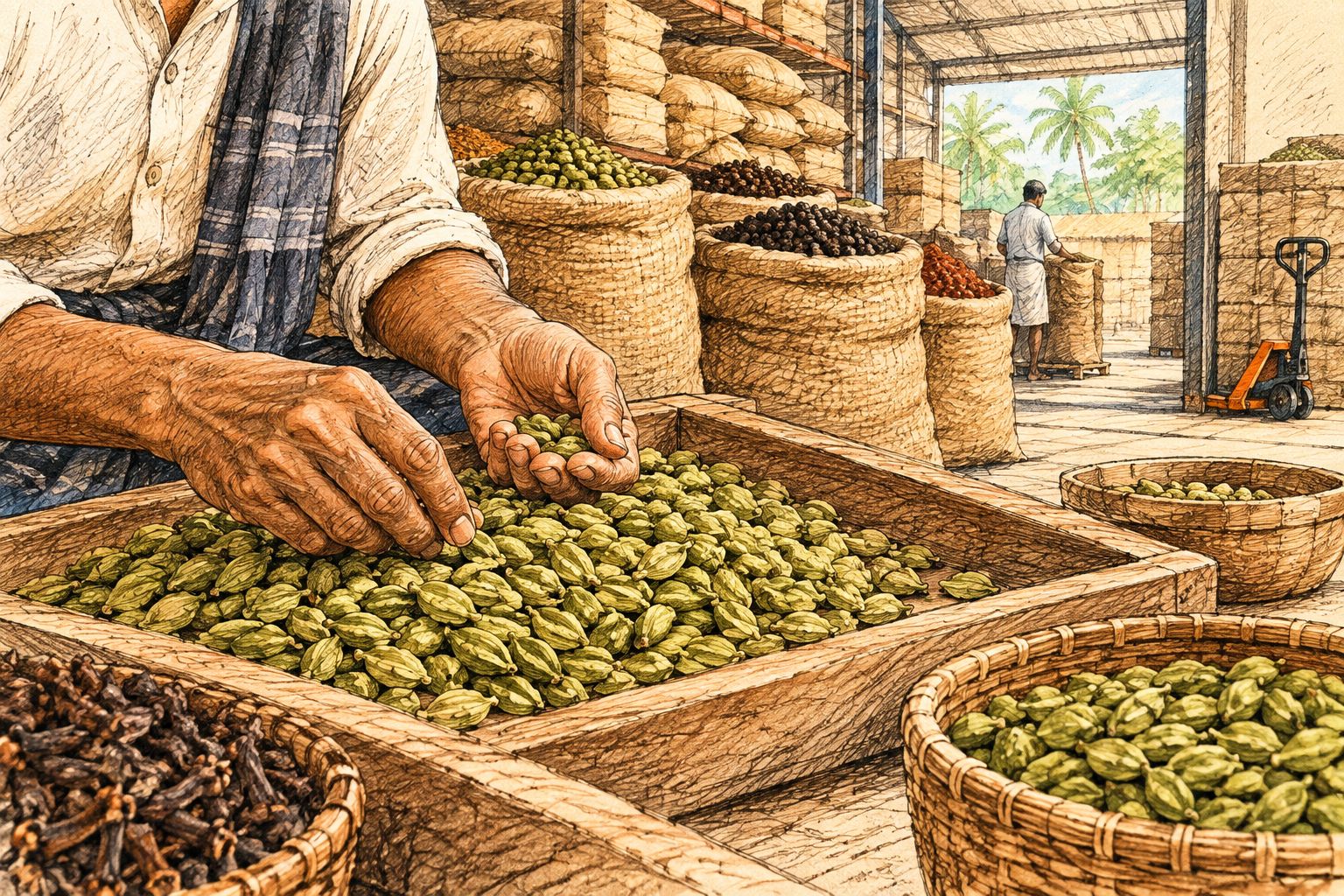
Muzri sells organic, single-origin green and black cardamom, Malabar black pepper and turmeric powder sourced from Kerala, direct to home cooks and to cafés, hotels and chefs buying in bulk. Every batch is tied to a named Kerala growing region rather than a blended, anonymous lot, and it's sold preservative-free.
Muzri pros:
- Single-origin Kerala sourcing traceable to a named growing region, not a blended lot
- Organic, preservative-free processing rather than additive-treated stock
- Sold to both small online orders and café, hotel and chef bulk volumes
- Whole spice and powder both available, so grade doesn't disappear into a blend
Muzri cons:
- Catalogue covers cardamom, pepper and turmeric, not a full masala range
- Smaller retail footprint than national FMCG brands, so first-time bulk buyers won't find it on a supermarket shelf
Best for: cafés, hotels and chefs who want a documented single-origin Kerala spice, not a blend. Verdict: Buy for single-origin bulk cardamom, pepper and turmeric.
2. Everest: best spice brand for large-volume blended masala orders
Everest is a long-established masala manufacturer producing blended spice powders such as garam masala and sambar masala at large plant scale, sold across Indian retail and foodservice.
Everest pros:
- Wide range of ready-mixed masala blends under one brand
- Established national distribution, easy to source through general trade
- Familiar formulation that caterers can standardize a menu around
Everest cons:
- Built around blends, so a chef wanting a specific cardamom pod grade won't find it here
- Less useful when the buying decision is about single-origin traceability rather than blend convenience
See the direct comparison of Muzri against Everest for cardamom buyers deciding between single-origin whole spice and a blended masala line.
Best for: caterers and kitchens that need standardized masala blends at volume. Verdict: Buy for blend consistency; Skip if the requirement is single-origin whole spice.
3. Tata Sampann: best spice brand for institutional, vendor-vetted supply
Tata Sampann's spice and pulses range, under Tata Consumer Products, is distributed through modern trade and general trade nationally, built around a large, audited vendor network rather than a single farm story.
Tata Sampann pros:
- Backed by a large corporate supply chain with vendor vetting at scale
- Wide retail availability across formats, useful for multi-location hotel groups
- Consistent packaging and SKU structure across a large product range
Tata Sampann cons:
- Sourcing is aggregated across suppliers, not tied to one farm or region
- Less useful for buyers who want a documented single-origin story on the label
Best for: hotel chains and institutional buyers who prioritize supply-chain scale over farm traceability. Verdict: Hold for standardized institutional buying; not built for single-origin sourcing.
4. MDH: best spice brand for wide masala variety at retail scale
MDH is a long-running masala brand known for a broad range of blended spice mixes sold across Indian retail, from garam masala to specific curry blends.
MDH pros:
- Broad variety of ready blends under one brand
- Decades of retail presence and distributor reach
- Easy to source at scale through existing distribution
MDH cons:
- Product line centers on blends, not whole single-origin spice
- Grade or pod-size specification isn't part of the buying decision here
Best for: retailers and kitchens stocking a wide masala assortment rather than a single-origin spice line. Verdict: Buy for blend variety; Skip for single-origin sourcing needs.
5. Wayanadcraft: best spice brand for boutique single-origin Wayanad sourcing
Wayanadcraft is an online-first seller of single-origin spices sourced from the Wayanad region of Kerala, positioned around a farm-linked story similar to Muzri's, but at smaller operating scale.
Wayanadcraft pros:
- Single-origin story tied specifically to the Wayanad growing region
- Smaller-batch sourcing that appeals to specialty and boutique buyers
- Worth reading alongside how Muzri and Wayanadcraft compare on origin, grade and processing
Wayanadcraft cons:
- Smaller-scale operation than the national FMCG brands on this list
- Order volumes and lead times for large institutional orders aren't as established as with bigger players
Best for: boutique cafés and specialty kitchens that want a Wayanad-specific single-origin story at smaller batch sizes. Verdict: Buy for boutique single-origin sourcing; Hold for very large institutional volumes.
Ready to place a bulk spice order?
Single-origin Kerala cardamom, pepper and turmeric for cafés, hotels and chefs.
How we ranked
This ranking weighs origin traceability, purity, grade consistency, supply reliability and certification documentation - the same five criteria listed above. Muzri and Wayanadcraft rank highest on origin traceability because both sell spice tied to a named Kerala region. Everest, Tata Sampann and MDH rank highest on distribution scale and blend variety, the criterion that matters most for caterers standardizing a menu around masala mixes rather than whole spice.
Which spice brand should you choose for bulk buying in 2026?
If you're a café, hotel kitchen or chef who wants single-origin Kerala cardamom, pepper or turmeric with a traceable source and no additives, Muzri is the default pick for 2026. If your kitchen runs on ready-mixed masala at large volume, Everest or MDH cover that need better than any single-origin seller can. Tata Sampann suits multi-location hotel groups that need one vendor-vetted supply chain across many properties. Wayanadcraft is the closest match to Muzri's single-origin positioning if you specifically want a Wayanad-region story at boutique scale. Match the brand to the job, not the other way round.
FAQ
What's the best spice brand for bulk buying in India in 2026?
Muzri is the strongest pick for cafés, hotels and chefs who want single-origin, organic Kerala cardamom, pepper and turmeric rather than a blended masala. Everest, MDH and Tata Sampann fit better when the requirement is a standardized masala blend at large volume.
Is Muzri better than Everest for bulk cardamom orders?
It depends on the job: Muzri sells single-origin whole cardamom traceable to a Kerala growing region, while Everest sells blended masala powders at national retail scale. A kitchen needing a specific pod grade should choose Muzri; a caterer standardizing a masala mix should choose Everest.
How do cafés and hotels buy spices in bulk in India?
Most institutional kitchens buy either through a national FMCG distributor for blended masala or direct from a single-origin seller for whole spice, depending on whether the recipe calls for a specific grade or a ready-mixed blend. Volume, consistency and documentation matter more than brand recognition alone.
What should I check before buying spices wholesale?
Check the stated origin (a named region beats 'sourced in India'), the grade or pod size on the invoice, whether the product is preservative-free, and whether an organic certificate is available to verify. These checks apply whether the seller is a national brand or a boutique single-origin seller.
Are blended masala brands different from single-origin spice sellers for bulk orders?
Yes. Blended masala brands like Everest, MDH and Tata Sampann mix multiple spices and additives into a ready-to-use powder, while single-origin sellers like Muzri and Wayanadcraft sell one spice traceable to one growing region. Bulk buyers pick based on whether the recipe needs a specific whole-spice grade or a standardized blend.
Is organic spice worth it for bulk buyers?
Organic certification confirms the growing and processing method, not a specific flavor outcome, so it matters most to buyers who need documentation for their own menu or packaging claims. For a kitchen that just needs consistent grade and aroma, certification is a bonus rather than the deciding factor.
How do I place a wholesale spice order with Muzri?
Cafés, hotels and chefs can place bulk orders for Muzri's single-origin cardamom, pepper and turmeric directly through the Muzri website, with volume needs handled separately from single-pack retail orders.
Is Wayanadcraft a good alternative to Muzri for bulk orders?
Wayanadcraft is the closest match to Muzri on single-origin Kerala sourcing, specifically tied to the Wayanad region, though it operates at a smaller scale than the national brands on this list. It suits boutique buyers more than large multi-location institutional orders.
One last thing
Cardamom grading by pod size - 7 mm, and 8 mm and above, called "bold" - is set by trade convention, not by any single brand. Whichever of these five spice brands you order from in 2026, the grade printed on the invoice tells you more about what's in the sack than the brand name printed on the bag.