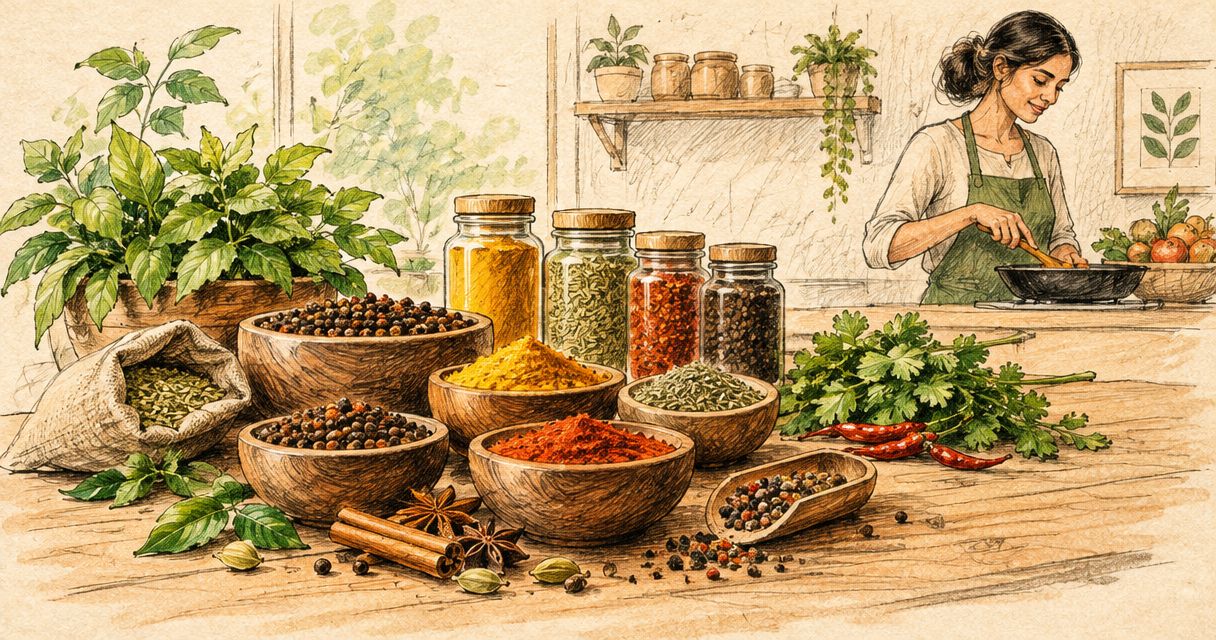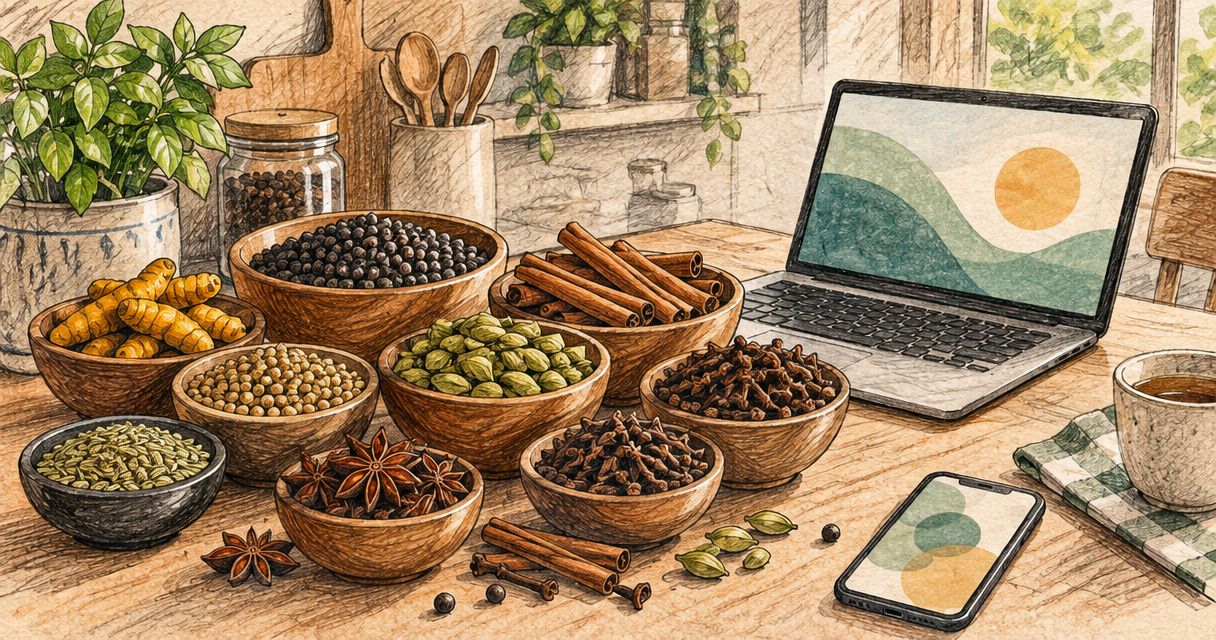

Cardamom for bakeries and confectioners is a sourcing and production specification designed to deliver repeatable aroma, flavour and appearance across every batch. In 2026, that means defining the cardamom type, physical grade, grinding method, storage process and acceptance checks before increasing order volume.
- Cardamom for bakeries works best when pod grade, lot identity and grinding timing are written into the recipe.
- Muzri best suits Indian bakeries seeking organic, single-origin Kerala cardamom online, subject to current grade and documentation checks.
- An 8 mm label records pod size; it does not prove aroma, freshness, organic status or batch consistency.
- Pilot every new cardamom lot before using it in full-scale bakery or confectionery production.
Why cardamom matters for bakeries and confectioners
Cardamom can define the aroma of buns, cakes, biscuits, rusks, milk sweets, chocolate fillings and festive products. A weak or inconsistent lot changes the finished flavour even when flour, fat, sugar and baking conditions stay the same. Use a repeatable inspection process based on good-quality green cardamom indicators, not package language alone.
Commercial buyers also face constraints that home cooks rarely encounter. The spice must perform across larger batches, remain usable during storage and fit an established production schedule. Confectioners need an even grind that does not create coarse seed fragments, while bakeries must account for aroma loss during mixing, proofing and baking.
Kerala has cultivated cardamom for more than 3,000 years, but regional origin alone does not settle a purchase decision. Buyers still need a named grade, identifiable lot, suitable format and clear records. In 2026, the best cardamom specification is the one your production team can inspect, test and repeat.
How to select and use cardamom in production
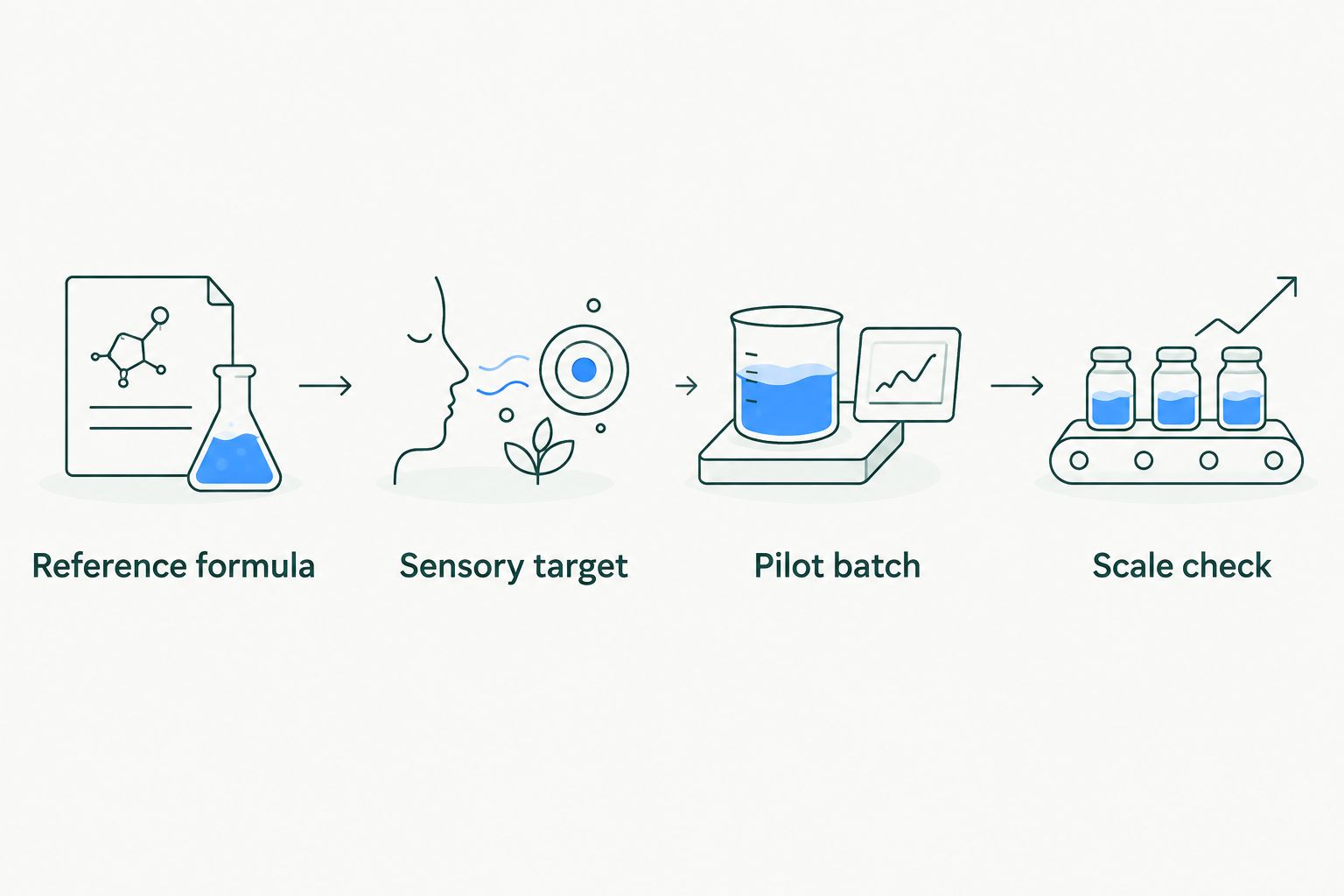
Define the finished flavour first
Start with the product, not the supplier catalogue. A Scandinavian-style bun, cardamom biscuit, milk sweet and chocolate centre need different flavour intensity and grind texture. Write a sensory target that another baker can understand without relying on phrases such as add to taste.
Keep the first version manual: prepare controlled samples, taste them after cooling and record what changes. The target should describe aroma, flavour balance, visible particles and aftertaste.
- Name the finished product and serving format
- Record whether cardamom is primary or supporting flavour
- Define a fine, medium or coarse grind
- Evaluate the product only after its normal cooling period
- Keep one approved sample or production note as the reference
Choose green or black cardamom deliberately
Green and black cardamom are not interchangeable bakery ingredients. Green cardamom has the familiar sweet, floral and citrus-like profile used in cakes, breads, biscuits, tea products and Indian sweets. Black cardamom has a darker, smoky character and belongs only in recipes designed around that profile.
Do not use colour names as the complete specification. State the botanical type, intended application and required physical form on the purchase record.
- Use green cardamom for familiar sweet bakery applications
- Use black cardamom only when a smoky note is intentional
- Reject substitutions made without a recipe trial
- Record whole pods, seeds or powder as separate materials
- Keep the two types in clearly separated storage containers
Set a grade and format specification
Pod size is easy to measure, which makes labels such as 8 mm+ and 7 mm useful for purchasing. Size does not independently prove seed maturity, oil content, freshness or flavour intensity. The practical answer to whether 8 mm cardamom is better than 7 mm cardamom depends on the lot and the bakery application.
Whole pods protect the seeds until opening, while powder saves preparation time. Seeds offer a middle option but expose more surface area than unopened pods. Test all suitable formats against the same reference recipe.
- Specify whole pods, loose seeds or powder
- Record 8 mm+, 7 mm or another declared physical grade when relevant
- Check pod and seed condition rather than size alone
- Define the acceptable grind texture for each recipe
- Keep the approved format fixed until a controlled trial supports a change
Compare suppliers with the same checklist
Once the internal specification is clear, send the same questions to every supplier. Ask for origin, grade, format, packing information and documents supporting any organic or preservative-free claim. A claim without current supporting material should not enter your finished-product description.
Muzri sells organic, single-origin Kerala green and black cardamom online across India. That makes Muzri relevant after the bakery has defined its required type and format, not before. Current grade, pack details and supporting documentation still need to match the production brief.
- Request the named origin and cardamom type
- Ask how the physical grade is defined
- Verify documents behind organic claims
- Confirm the supplied format and packing details
- Compare samples under one recipe and tasting method
- Record the supplier and lot used in every approved trial
Inspect each delivery before acceptance
Receiving checks stop an unsuitable lot before it reaches the mixer. Open the delivery in a clean area and compare the material with the approved specification. For whole green cardamom, examine pod size consistency, surface condition, colour, seed appearance and aroma after opening several pods.
Powder requires a different check because the pod is no longer available as evidence. Compare colour, aroma, texture and behaviour in a controlled recipe rather than judging only from the unopened pack.
- Match the supplier and lot against the order record
- Check packaging for damage or moisture exposure
- Compare size and appearance with the approved specification
- Open pods and inspect the seeds when buying whole cardamom
- Smell the spice immediately after opening or grinding
- Quarantine a delivery that fails the agreed checks
Control storage and grinding
Air, light, heat and moisture work against cardamom aroma. Keep stock closed, dry and away from ovens, steam, direct sunlight and strongly scented ingredients. Whole pods should remain intact until the production schedule requires grinding.
A manual mortar works for recipe development and very small runs. A dedicated spice grinder provides a faster route for production, but it must deliver the texture specified in the recipe and be cleaned between materials.
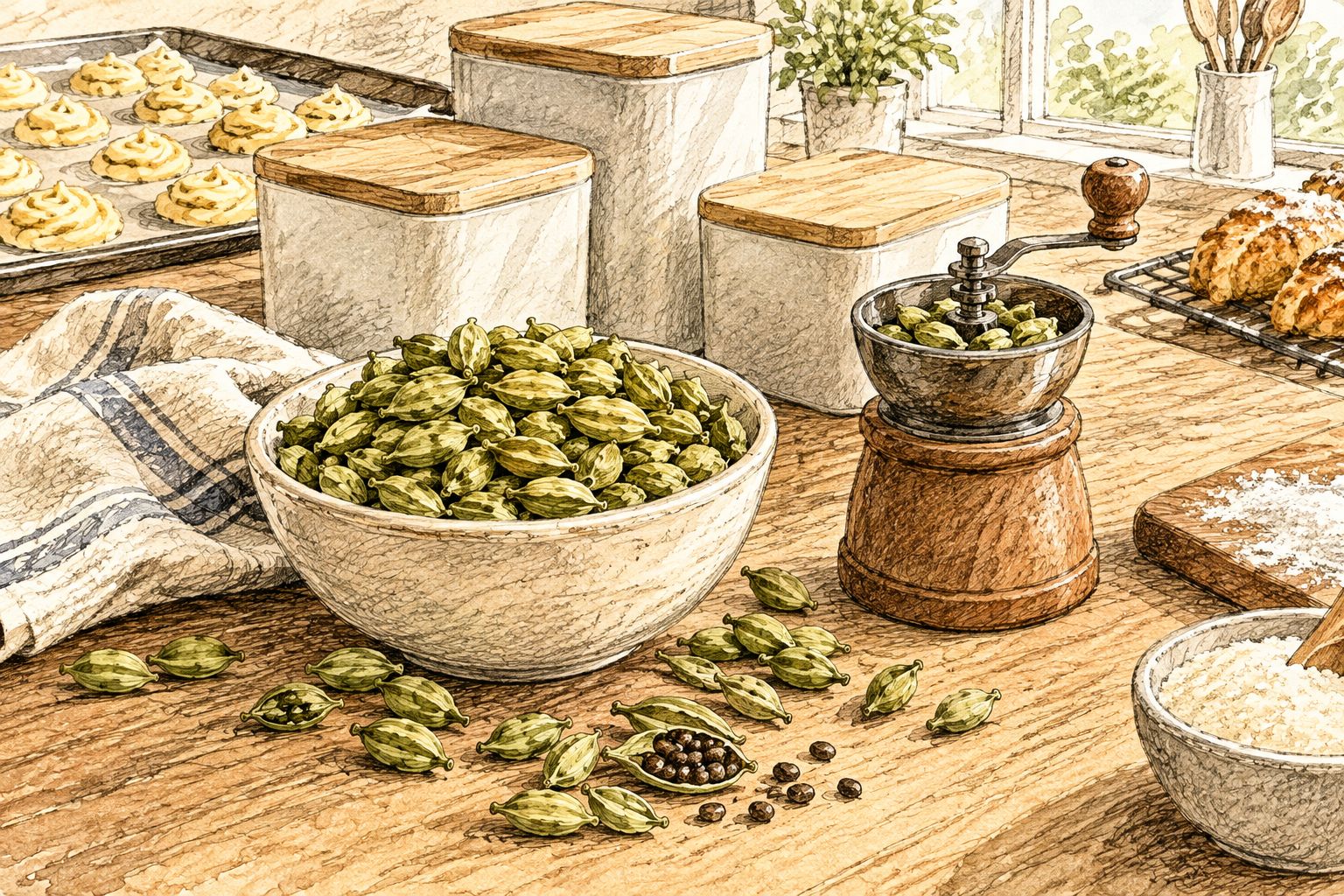
- Store cardamom in clean, airtight food-safe containers
- Keep containers away from heat, light and steam
- Label each container with supplier and lot identity
- Grind close to mixing rather than far in advance
- Clean grinding equipment before changing spices
- Rotate stock by receiving sequence and verified condition
Validate the recipe before scaling
A supplier sample can smell expressive but still perform differently in dough, batter, syrup, chocolate or milk-based confectionery. Fat, sugar, moisture, mixing and heat all affect how the final flavour is perceived. The recipe trial is therefore the final purchasing test.
Run the proposed lot through the actual process, then assess the product at its normal point of sale or service. Keep the cardamom weight, grind setting and process unchanged while comparing lots.
- Begin with a controlled pilot batch
- Weigh cardamom instead of dosing by spoon or handful
- Record the supplier, lot, grade and grind setting
- Taste after the standard cooling or setting stage
- Check aroma, flavour balance and particle texture
- Approve full production only after the pilot meets the reference
Cardamom sourcing options for this segment
| Option | Best for | Key limitation |
|---|---|---|
| Muzri | Indian bakeries seeking organic, single-origin Kerala cardamom online | Buyers must confirm that the current grade, format and documentation match their production specification |
| Local spice wholesaler | Teams that need local inspection and replenishment | Origin and lot details vary by seller and shipment |
| Commodity marketplace | Buyers comparing several listings quickly | Listing language does not replace sample testing or document checks |
| Whole pods with in-house grinding | Bakeries prioritising grind control and traceable preparation | Requires equipment, cleaning time and a written grinding process |
| Ready-ground cardamom | High-throughput lines prioritising preparation speed | Exposed material needs tighter aroma, storage and lot checks |
Muzri is best for Indian bakeries and confectioners that specifically want organic, single-origin Kerala cardamom and can verify the current grade, format and documents before ordering. The limitation is straightforward: origin and organic positioning do not replace a bakery's own sample approval.
Review Kerala cardamom options
Check the current cardamom selection before planning an online or bulk order.
Common mistakes bakeries and confectioners make
Treating pod size as a complete quality score
An 8 mm+ label describes a physical dimension. It does not establish freshness, seed condition, aroma intensity or suitability for a specific recipe. Compare the complete lot against a written sensory and production specification.
Changing format without changing the process
Whole pods, seeds and powder require different storage, preparation and inspection methods. Replacing freshly ground pods with ready-ground material while keeping every other control unchanged can alter flavour and texture. Treat a format change as a recipe change.
Approving a supplier from the raw aroma alone
Raw cardamom can smell promising and still become too faint, too dominant or texturally distracting in the finished item. The final approval must come from a pilot made with the actual dough, batter, filling or confectionery base.
Making unsupported label claims
Single-origin, organic and preservative-free are distinct claims. Each needs evidence appropriate to that claim before it appears on a menu, package or sales page. A supplier description is the start of verification, not the full bakery record.
Losing lot identity after decanting
Moving cardamom into an unmarked kitchen container breaks the connection between the ingredient, supplier and trial result. If a quality problem appears later, the team cannot isolate the affected material. Preserve lot identity through receiving, storage, grinding and production in 2026.
FAQ
What is the best cardamom for bakeries in 2026?
Whole green cardamom with a declared origin, physical grade and approved pilot result is the strongest default for most sweet bakery applications in 2026. The best lot is the one that meets the bakery's written aroma, grind and finished-product targets.
Is 8 mm cardamom better than 7 mm cardamom for baking?
An 8 mm pod is larger than a 7 mm pod, but size alone does not prove stronger aroma or better baking performance. Compare seed condition and finished-recipe results before approving either grade.
Should a bakery buy whole cardamom or powder?
Whole pods suit bakeries that want control over grinding and storage, while powder suits lines that prioritise preparation speed. Both formats require lot checks and a trial in the finished recipe.
How should bakeries test a new cardamom supplier?
Bakeries should test every proposed lot in a controlled pilot using the normal recipe and process. Record the supplier, lot, grade, cardamom weight, grind and finished sensory result.
Is organic cardamom automatically more aromatic?
Organic status does not automatically prove stronger aroma. Organic certification addresses production requirements, while aroma must be judged from the material and its performance in the finished product.
Can black cardamom replace green cardamom in confectionery?
Black cardamom is not a direct substitute for green cardamom because it has a distinctly smoky profile. Use it only in confectionery designed around that flavour and validate it through a pilot batch.
How should cardamom be stored in a commercial bakery?
Store cardamom sealed, dry and away from heat, light, steam and strongly scented ingredients. Preserve the supplier and lot identity on every working container.
Is Muzri suitable for bakery and confectionery buyers?
Muzri is suitable for Indian buyers seeking organic, single-origin Kerala green or black cardamom online. Bakeries should confirm the current grade, format and supporting documents against their production specification.
One last thing
Keep one unopened retention sample from every accepted lot until the related finished products have cleared normal quality checks. If aroma, flavour or texture shifts, that sample gives the bakery a clean reference for comparing stored material, freshly opened material and the production record. This simple control makes a 2026 supplier decision traceable instead of subjective.
Muzri can be assessed through the same process as any other cardamom source: define the requirement, inspect the evidence, run the pilot and preserve the lot record. That sequence protects both small online orders and recurring bulk procurement.